what if i don t eat enough protein one day Do i eat enough protein? most don’t.
Are you getting enough protein in your diet? It’s a question that many of us fail to ask ourselves, but the truth is that most people don’t consume enough protein on a daily basis. This can have serious consequences for our health and well-being. So, how can you tell if you’re not eating enough protein? Here are 10 signs to watch out for:
- Fatigue and Weakness
Lack of protein can leave you feeling tired and weak throughout the day. This is because protein is essential for repairing and building tissues in your body, including muscles. Without enough protein, your muscles can’t properly recover from exercise or daily activities, leading to fatigue and weakness.
 Make sure to include protein-rich foods such as lean meats, dairy products, legumes, and nuts in your diet to keep your energy levels up.
- Hair, Skin, and Nail Problems
Protein plays a crucial role in the production of collagen, which is essential for maintaining healthy hair, skin, and nails. If you’re not getting enough protein, you may notice that your hair is thinning, your skin is dull and dry, and your nails are brittle or weak.
 Include protein sources like eggs, fish, and beans in your diet to support the growth and repair of your hair, skin, and nails.
- Difficulty Losing Weight
Protein is known to increase satiety and boost metabolism, making it an essential nutrient for weight loss. If you’re not consuming enough protein, you may find it difficult to shed those extra pounds, even if you’re cutting back on calories and exercising regularly.
Incorporating protein-rich foods like chicken breast, Greek yogurt, and tofu into your meals can help keep you feeling full for longer and support your weight loss efforts.
- Slow Muscle Recovery
If you’re experiencing delayed muscle recovery after workouts or strenuous activities, inadequate protein intake could be to blame. Protein is necessary for repairing and rebuilding muscle fibers that are damaged during exercise.
Make sure to include protein sources such as whey protein, lean meats, and quinoa in your post-workout meals to promote muscle recovery and growth.
- Frequent Illnesses
Protein is essential for the proper functioning of our immune system. If you’re not getting enough protein, your immune system may be compromised, leading to frequent illnesses such as colds, flu, or infections.
Boost your protein intake with foods like fish, poultry, and legumes to strengthen your immune system and reduce the risk of falling ill.
- Poor Wound Healing
When you have an injury or wound, protein is required for the production of new cells and tissues needed for the healing process. Without enough protein, your wounds may take longer to heal and could be more prone to infection.
Include protein-rich foods like eggs, milk, and lean meats in your diet to support the healing of wounds and injuries.
- Mood Swings and Irritability
Protein provides the essential amino acids needed for the production of neurotransmitters such as serotonin and dopamine, which regulate our mood and emotions. If you’re not getting enough protein, you may experience mood swings, irritability, and even symptoms of depression.
Ensure an adequate intake of protein from sources like cheese, nuts, and lentils to support your mental well-being.
- Cravings for Sweets and Carbs
If you find yourself constantly craving sweets and carbohydrates, it could be a sign that you’re not getting enough protein in your diet. Protein helps regulate blood sugar levels and promotes feelings of fullness, reducing the likelihood of cravings.
Incorporate protein-rich snacks like Greek yogurt, cottage cheese, or protein bars into your daily routine to curb those cravings.
- Poor Concentration and Brain Fog
Protein is essential for brain health and function. Without enough protein, you may experience poor concentration, difficulty focusing, and even brain fog. This can affect your productivity and overall cognitive performance.
Include protein sources like salmon, eggs, and almonds in your meals to support optimal brain function.
- Slow Recovery from Injuries
If you’re finding that injuries take longer to heal than usual, it could be due to inadequate protein intake. Protein is necessary for the production of collagen and other connective tissues that help repair and strengthen injured areas.
Ensure you’re consuming enough protein from sources like lean meats, fish, and legumes to support timely recovery from injuries.
Now that you’re aware of the signs that indicate inadequate protein intake, it’s important to make the necessary changes to your diet. Incorporate a variety of protein-rich foods into your meals, and consult a healthcare professional or registered dietitian for personalized guidance on meeting your protein needs. Remember, protein is a vital nutrient for overall health and well-being!
If you are searching about Do I Eat Enough Protein? Most Don’t. | by Sander Gansen | Millennial you’ve visit to the right page. We have 5 Images about Do I Eat Enough Protein? Most Don’t. | by Sander Gansen | Millennial like What happens to your body if you don’t eat enough protein – Healthy ask, You Don’t Eat Enough Protein - Interview with Dr. Ted Naiman - Crazy and also What happens to your body if you don’t eat enough protein – Healthy ask. Here you go:
Do I Eat Enough Protein? Most Don’t. | By Sander Gansen | Millennial
medium.comThings That Happen When You Don’t Eat Enough Protein
 www.thehealthy.comconsume skimp
You Don’t Eat Enough Protein - Interview With Dr. Ted Naiman - Crazy
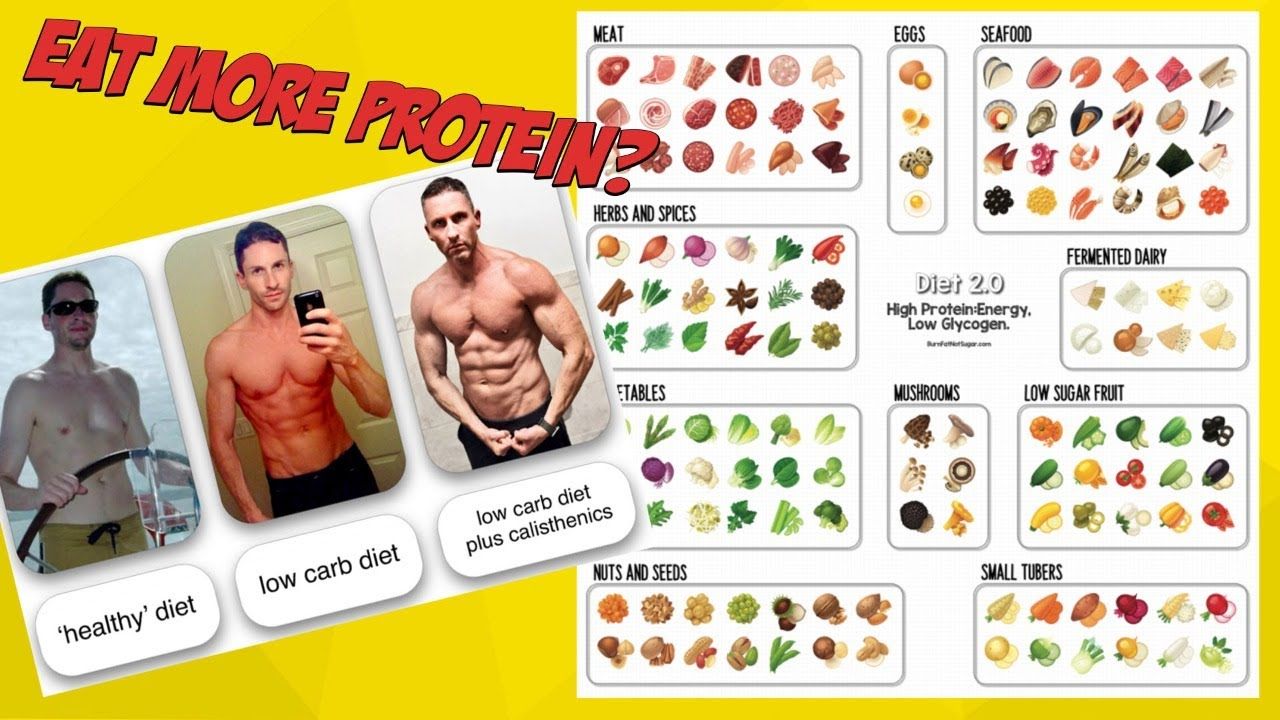 crazysimpleketo.comprotein ted enough interview eat dr naiman keto
10 Signs You’re Not Eating Enough Protein | Nutrition | MyFitnessPal
www.pinterest.commyfitnesspal protein enough nutrition signs eating re
What Happens To Your Body If You Don’t Eat Enough Protein – Healthy Ask
 healthyasks.comprotein enough if happens eat body don dont
Consume skimp. Protein enough if happens eat body don dont. 10 signs you’re not eating enough protein